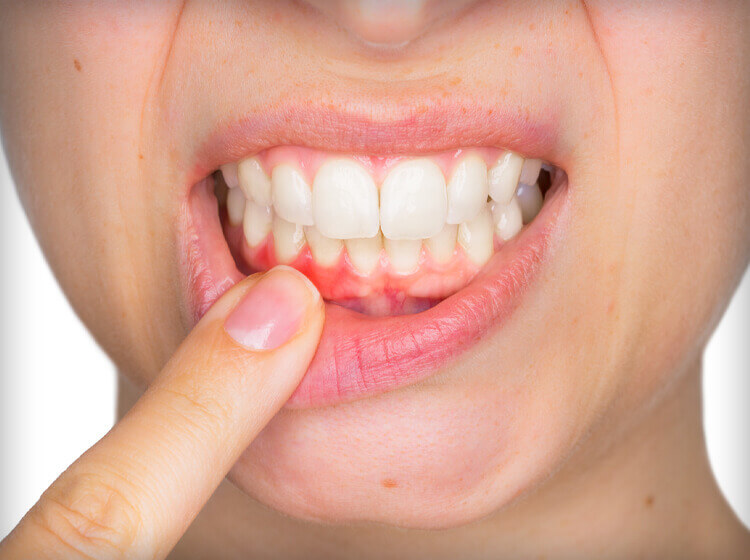
Do you know that you have gingivitis if your gums bleed after you brush, bite on something hard, or eat certain foods? If you do, then you are one of the lucky ones. Gingivitis is a common oral condition that affects many people. It is often referred to as gum disease and is one of the most common diseases in the world.
If left untreated, gingivitis can lead to more serious conditions such as periodontitis. The sooner you take steps to prevent this, the better your chances of recovery will be. Read on for more information about gingivitis.
You might not notice that you have gingivitis if it does not affect your overall health. However, there are some tell-tale signs and symptoms that you should watch out for. These signs include inflammation of the gums, bleeding, swelling and redness in the gums, tooth sensitivity, gum pain, and even bad breath. If you experience one or more of these conditions, then you need to see your dentist immediately.
The main cause of gingivitis is bacteria build-up on your teeth and gums over time without proper cleaning or brushing. This bacterial buildup causes inflammation in the mouth tissue which leads to irritation and redness of the affected area. In some cases, there may also be bleeding from areas that are irritated by the bacteria build-up on your teeth and gums.
There are several factors that contribute to gingivitis, including poor oral hygiene habits, genetics, poor nutrition, dehydration, chronic illness or medications, and smoking. Some studies have shown that grinding teeth during sleep can also cause gingivitis symptoms in some people.
Other risk factors for gingivitis include:
Poorly controlled diabetes
Heavy alcohol use
Stress and anxiety
Mouthwashes that contain alcohol
Gingivitis can be a debilitating condition and if left untreated, it can lead to more serious conditions like periodontitis. Dentists classify gingivitis as an inflammatory condition where the gums become red, swollen, or even bleed when brushing. Gingivitis may also lead to tooth loss because of the damage caused to the gum tissue. The earlier you take steps to prevent this, the better your chances of recovery will be.
There are many ways you can prevent gingivitis but the most important is through good oral hygiene. It's imperative that you practice good oral hygiene at home and when you go out. You should also make sure that you get your teeth cleaned regularly by a professional in order to remove plaque buildup and reduce your risk of developing gingivitis and periodontitis. Other tips to decrease your likelihood of gingivitis include:
Avoid eating acidic foods, such as citrus fruits and sodas.
Brush your teeth twice a day with a soft-bristle toothbrush or an electric toothbrush.
Floss on the morning and night before you eat to remove any food particles left in the mouth between teeth.
Limit hard foods like nuts and seeds until your gums are fully healed
Use a fluoride toothpaste that contains peroxide or hydrogen peroxide, as well as other ingredients like xylitol and triclosan to help prevent future plaque buildup
Rinse with water after brushing instead of spitting out the excess toothpaste
Gingivitis is a mouth infection that can be caused by a variety of things. Some of the most common causes are poor oral hygiene and poor nutrition. A good way to prevent gingivitis is to maintain good dental hygiene and eat a healthy diet. If you do not have the time to brush your teeth, you can use a mouthwash like Listerine to freshen up your breath. Another way to maintain good dental hygiene is to use toothpaste with fluoride.
Additionally, it is essential to schedule regular oral health checkups with your dentist. A dental exam will allow your dentist to identify any changes in your mouth that could indicate gingivitis is developing. If you are unsure about whether or not you have gingivitis, you can visit your dentist for an oral exam.