Exogenous ketones are becoming increasingly well-known and are gaining popularity as a dietary supplement. But what exactly are they — and what does the science say?
This article provides a clear, practical overview of what exogenous ketones are, what effects are realistic, and what studies have shown so far.
Ketone bodies are rapidly available energy sources that the liver can produce — provided there is a shortage of quick energy, especially carbohydrates, such as during fasting or a ketogenic diet.
They can also be produced in greater quantities during intense physical exertion or other specific conditions — but these less common cases are not the focus here.
The most relevant ketone bodies are acetoacetate (AcAc), beta-hydroxybutyrate (BHB), and acetone. While acetone mainly causes the typical “keto breath,” BHB supplies readily available energy.
Exogenous ketones refer to beta-hydroxybutyrate (BHB) that is supplied externally, either in liquid form (ketone esters or diols) or as powder (ketone salts). Ketone salts are the most common and affordable form.
Ketone salts consist of minerals like sodium, calcium, or magnesium ionically bound to BHB — ideally r-BHB.
For high efficacy, it is crucial — as of today — that the supplement contains r-BHB ketones. R-BHB refers to the right-handed isomer of beta-hydroxybutyrate, which is also produced naturally in the liver during endogenous ketosis.
Beta-hydroxybutyrate does not just supply energy; it also offers potential health benefits. BHB acts as an antioxidant, binding free radicals and reducing oxidative stress in cells (Noh et al. 2006; Maalouf et al. 2007; Soni et al. 2022). This could positively impact the immune system, stress resilience, insulin sensitivity, and possibly aging processes such as telomere shortening.
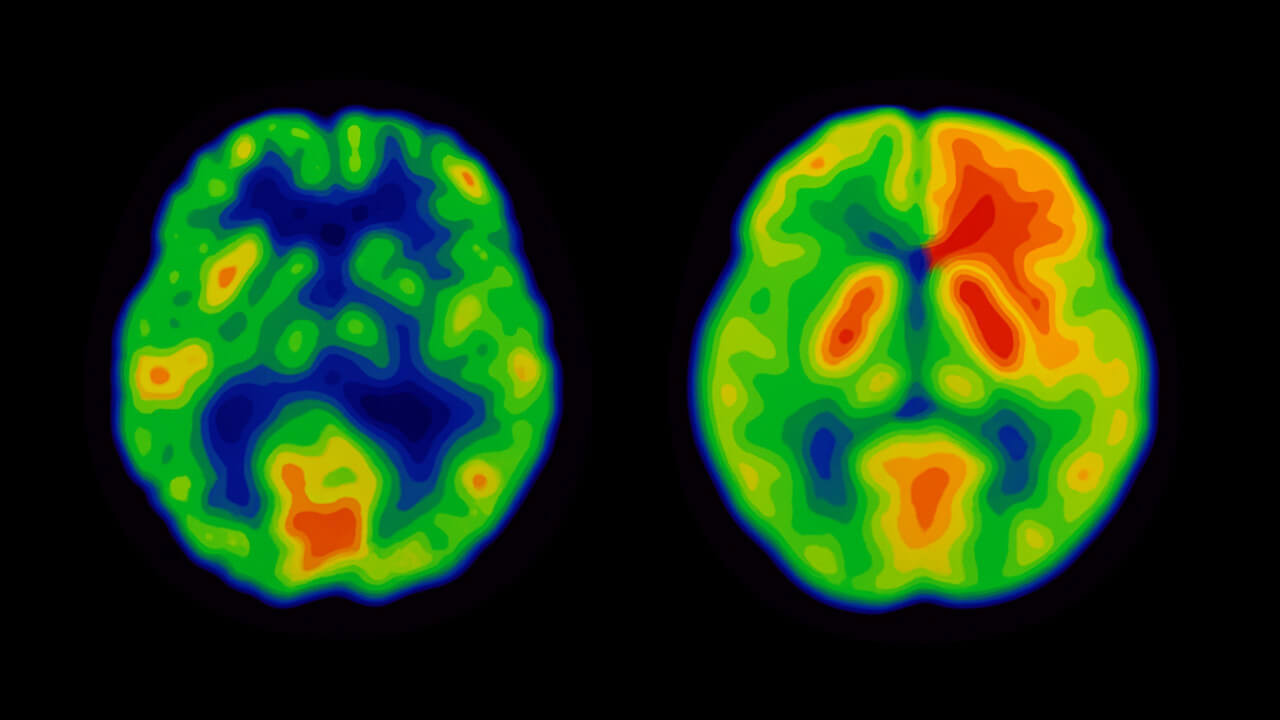
Because BHB can easily cross into the brain (given sufficient MCT1 transporter capacity), neuroprotective effects are also being discussed. Studies suggest possible benefits for neurodegenerative diseases such as Alzheimer’s, Parkinson’s, or dementia (e.g., Maalouf et al. 2007). However, these effects are still being researched and should not be taken as proven therapeutic claims.
Illustration (simplified): Improved brain energy supply via ketone bodies — even with insulin resistance.
Many users report noticeable mental clarity after taking ketone supplements, which could be linked to the anti-inflammatory and neuroprotective properties. Additionally, BHB demonstrably generates ATP more efficiently than glucose, which especially benefits the heart and brain (Veech 2004).
In sports, the evidence is mixed. Endurance sports are the best studied: some research reports clear performance improvements in running or cycling (Prins et al. 2020), while other studies show no effect — or even negative outcomes (Evans et al. 2022). So, individual responses vary greatly.
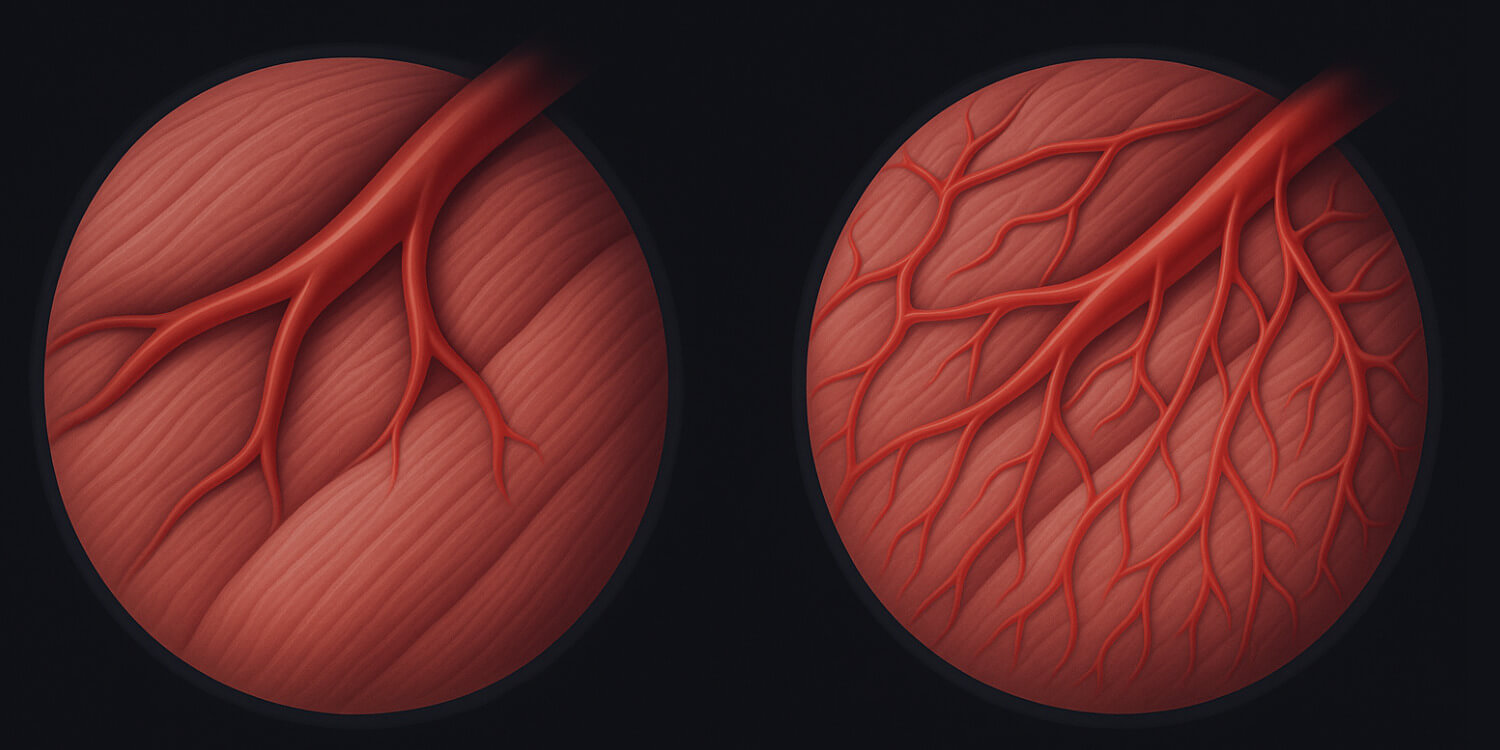
Other studies indicate that taking exogenous ketones for several weeks combined with training may lead to up to 40% improved muscle blood flow (capillarization) (Poffé et al. 2023). This is crucial for oxygen supply and lactate tolerance. In ultra-endurance athletes, higher dopamine levels and improved muscular energy availability were also observed (Poffé et al. 2023).
Simplified illustration: More capillaries mean better oxygen supply, more nutrients in muscle tissue, and improved lactate tolerance.
The hypothesis that exogenous ketones preserve glycogen stores during exercise has been disproven (Poffé et al. 2020). Instead, performance benefits may stem from more efficient energy production, improved cardiac output, and higher motivation via increased dopamine.
In strength training, ketones may help more indirectly — for example, through better sleep (Robberechts et al. 2023) and improved insulin sensitivity. Direct effects on muscle growth or strength gains are less likely.
In game or contact sports, improved focus, attention, and neuroprotection (e.g., brain trauma in full-contact sports) could be potential benefits — but this is still under research.
Important upfront: Exogenous ketones do not directly burn fat. They contain calories (e.g., about 45 kcal per serving for ketone salts) but can still support fat loss.
Some data suggest they lower the hunger hormone ghrelin, reducing appetite (Stubbs et al. 2017). They also stabilize blood glucose, even after carb-heavy meals (Falkenhain et al. 2022), and may support mitochondrial health and biogenesis (Maalouf et al. 2007; Kovács et al. 2021). Combined with improved insulin sensitivity, this creates a good foundation for effective fat metabolism.
Of course, the basics still apply: Without physical activity and a balanced diet, exogenous ketones alone will not sustainably help.
Ketone supplements are generally well tolerated. The most common side effect is digestive discomfort, especially diarrhea. This can often be avoided by taking the supplement slowly. Headaches or significant initial weight loss are much rarer.
Caution is advised with ketone diols: These can lead to ethanol formation as a byproduct, which may be hepatotoxic over time. This does not apply to ketone salts.
Exogenous ketones are definitely intriguing — especially for goals related to enhanced physical and mental performance or supporting a healthy metabolism. Therapeutic uses are conceivable but still require more research and should only be explored under the guidance of qualified healthcare professionals. With growing scientific interest, more applications may emerge soon.
Growing research interest in exogenous ketones.
It’s important to remember: Effects vary greatly from person to person and only occur when high-quality, tested supplements are used. In the end, exogenous ketones are not a miracle cure but can be a supportive supplement when used as part of a well-thought-out health strategy.
Falkenhain et al. Effects of exogenous ketone supplementation on blood glucose: a systematic review and meta-analysis. Adv Nutr, 13(5):1697–1714, 2022.
Evans et al. Exogenous ketone supplements in athletic contexts: past, present, and future. Sports Med, 52(Suppl 1):25–67, 2022.
Gosby et al. Testing protein leverage in lean humans: a randomised controlled experimental study. PLoS One, 6(10):e25929, 2011.
Kovács et al. Beneficial effects of exogenous ketogenic supplements on aging processes and age-related neurodegenerative diseases. Nutrients, 13(7):2197, 2021.
Leaf and Antonio. The effects of overfeeding on body composition: the role of macronutrient composition – a narrative review. Int J Exerc Sci, 10(8):1275–1296, 2017.
Maalouf et al. Ketones inhibit mitochondrial production of reactive oxygen species following glutamate excitotoxicity by increasing NADH oxidation. Neuroscience, 145(1):256–264, 2007.
Noh et al. Acetoacetate protects neuronal cells from oxidative glutamate toxicity. J Neurosci Res, 83(4):702–709, 2006.
Poffé et al. Exogenous ketosis elevates circulating erythropoietin and stimulates muscular angiogenesis during endurance training overload. J Physiol, 601(12):2345–2358, 2023.
Poffé et al. Exogenous ketosis impacts neither performance nor muscle glycogen breakdown in prolonged endurance exercise. J Appl Physiol, 128(6):1643–1653, 2020.
Prins et al. Effects of an exogenous ketone supplement on five-kilometer running performance. J Hum Kinet, 72:115–127, 2020.
Robberechts et al. Exogenous ketosis improves sleep efficiency and counteracts the decline in REM sleep after strenuous exercise. Med Sci Sports Exerc, 55(11):2064–2074, 2023.
Soni et al. Exogenous ketone ester administration attenuates systemic inflammation and reduces organ damage in a lipopolysaccharide model of sepsis. Biochim Biophys Acta Mol Basis Dis, 1868(11):166507, 2022.
Stubbs et al. A ketone ester drink lowers human ghrelin and appetite. Obesity (Silver Spring), 26(2):269–273, 2018.
Veech. The therapeutic implications of ketone bodies: the effects of ketone bodies in pathological conditions: ketosis, ketogenic diet, redox states, insulin resistance, and mitochondrial metabolism. Prostaglandins Leukot Essent Fatty Acids, 70(3):309–319, 2004.